
Services
Map the job. Build the record. Stay for the next change.
We help operations become more capable by connecting their people, systems, data, machines, and process. We recommend what is right for them, not what is easiest to sell.
This is a solutions practice, not a catalog of apps you have to buy as-is. FarmWork and FarmBridge are evidence of that practice.
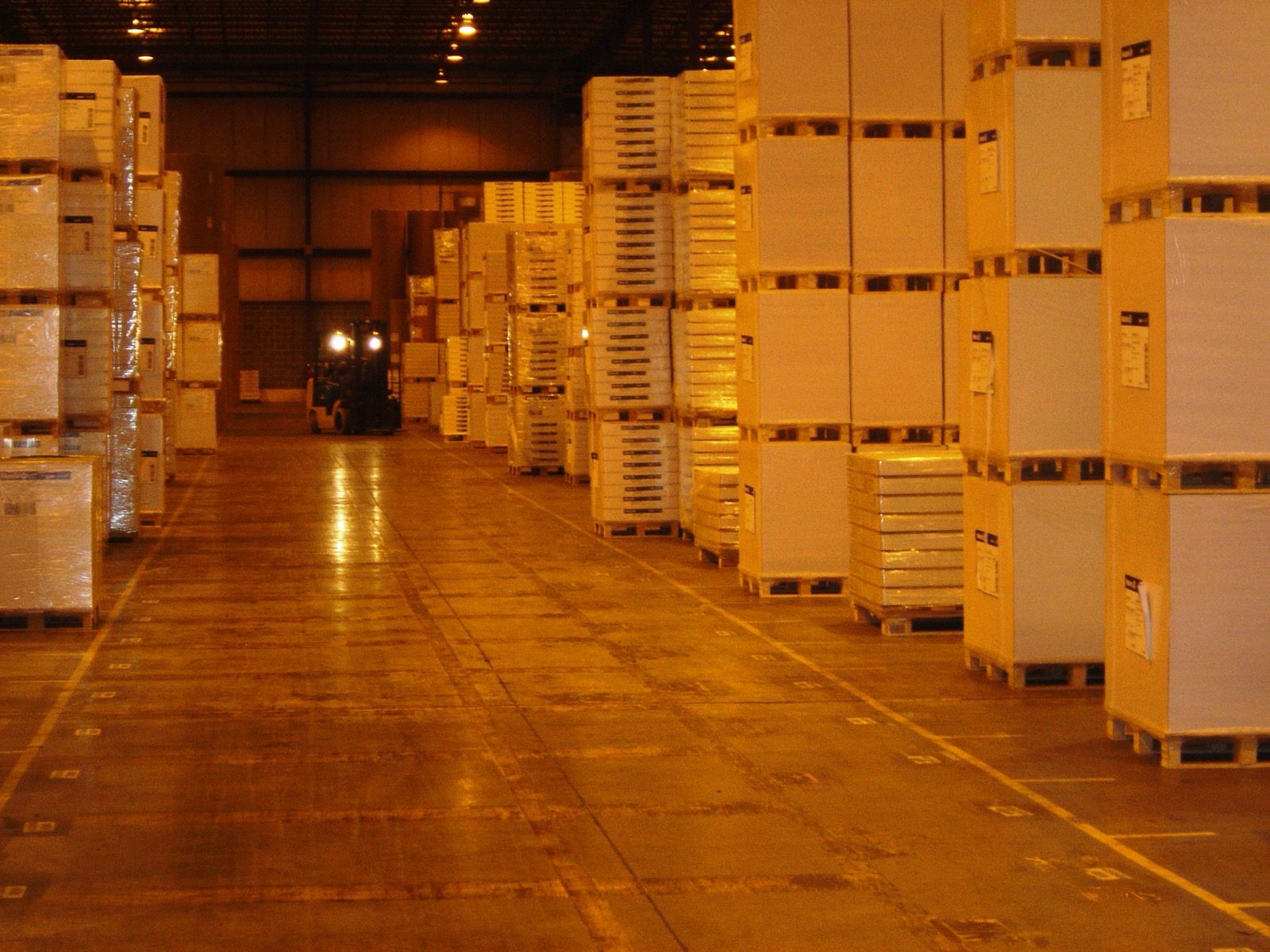

How we work
Six steps we repeat with each operation.
- 1
Map the real job
Floor, field, and office, including the spreadsheets people are still using. We sit with the people who do the work.
- 2
Build the system of record
Time, production, lots, inventory, or shipping: one place the operation can trust.
- 3
Put tools where the work is
Offline field apps, handheld scan sessions, and dock hardware. A dead login token should not stop a crew.
- 4
Automate the sequence, not a slogan
Weigh, photo, print, move, notify: a flow the operation can change without waiting for a rewrite.
- 5
Integrate the last mile
Payroll export, bills of lading, grower settlement, accounting. No retyping.
- 6
Host it like it matters
Per-client install, in the country they choose or on-prem. Permissions that match who may see pay or move inventory.
Workforce and payroll
Hours, pieces, and mixed pay that close into accounting.
The pay the floor actually uses
Hourly, piecework, mixed, better-of, shared production, and seasonal-worker rules a generic clock does not understand.
Exceptions, not reconstruction
The office reviews open clocks, odd hours, and off counts. Payroll exports a clean file instead of rebuilding the week.
Floor capture
Badge, station, job, scan. Paper timesheets go away for people who can scan. A paper path stays for people who will not, or cannot.
Product trail
Receiving through shipping on one trail.
Lots that keep their identity
Intake stays with the lot through cooler, process, and load-out. Traceability is one step back and one step forward from the record.
Grower settlement from stored measures
Payments use what receiving stored, not a side spreadsheet that disagrees with the cooler.
Shipping from the same numbers
Load-out is a move plus an allocation. The cooler and the paperwork stop telling two stories.
Floor and hardware
The dock and the handheld are part of the record.
Scan the way the job runs
Destination first, then the bin. Sticky instruction on the handheld. No extra chrome that fights the SOP.
Scales, cameras, printers, scanners
Weights and timestamped photos land on the lot. Labels print in the same flow. An on-site gateway keeps hardware in the sequence.
Simple by design
Admin reviews exceptions. The floor is not blocked by a dead login token. Paper and no-scan paths stay available.

Fit what you already run
We work with your systems and your IT.
We do not displace the IT provider you already trust. We fit the tools that already earn their keep, then close the last mile.
Attendance and payroll
PayClock and similar clocks. Export shaped for Sage, Spire, QuickBooks, and the bookkeeper who still owns exceptions.
Dock and shop equipment
Cameras, scales, label printers, and scanners you already bought. We put them in the workflow instead of beside it.
Platform first, then modules
Later work is cheaper because the foundation exists. Crews, job costing, and field exceptions follow the same pattern when the shop is ready.
Trust
Hosting and permissions are part of the job.
Per-client install
Workforce and payroll data are not dumped into a shared multi-tenant pile. Each operation gets its own installation, in the country they choose, or on their own premises.
Who may see pay or move inventory
A bookkeeper, a supervisor, and a worker do not share one god-mode login. Permissions match the job.
Ongoing support
Train the trainer. Evergreen updates. On site when a season or a shift cannot wait. Agriculture does not wait for a scheduled remote visit.
If the job still lives in three places, that is the gap.
Tell us about payroll, receiving, shipping, or paper on the floor. We will say if we are a fit.